
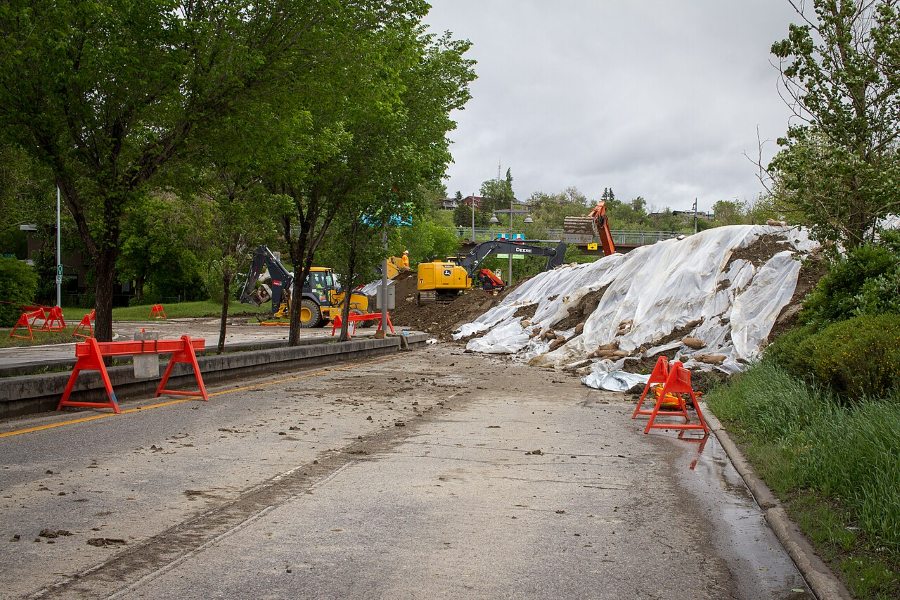
The cost of weather and hydrological extremes
Water intelligence is a driving force in confronting the economic impact of climate extremes in Canada
Climate change is showing up in a very tangible way for Canadians—through rising insurance costs. A recent story from CTV News highlighted how premiums are climbing, driven in part by more frequent and severe weather events.
New data from Statistics Canada shows that between 2019 and 2025, home and mortgage insurance premiums increased by 45%. At the same time, the costs that aren’t insured— such as damage to public infrastructure—are also on the rise. The Prairie provinces, where flooding is a major risk, have seen especially high impacts.
Insurers are also facing more ‘catastrophic claims’— large-scale events that affect many people at once and result in significant damage. As these events become more common, the need to better understand and predict them becomes increasingly urgent.
That’s where scientific monitoring plays a critical role. As Global Water Futures Observatories (GWFO) User Advisory Panel member Dan Sandink from the Institute for Catastrophic Loss Reduction explains:
"As assets continue to concentrate in disaster-prone areas and disaster losses climb, the affordability, availability, and adequacy of property insurance will likely come under sustained pressure, particularly in the highest-risk regions. It is important to understand exposure of the built environment in order to identify and apply effective protection mechanisms so that insurance can remain economically viable."
Global Water Futures instrumented sites and labs that collect precise data not only support comprehensive early warning systems for environmental disasters for the insurance industry and policy holders, but also help Canadian researchers better predict, understand, and ultimately reduce the impacts of these destructive events.
Investing in this kind of data and research can help Canadians prepare, respond, and build resilience in the face of a changing climate.